
New Brighton Beachfront as a Historic Landscape.
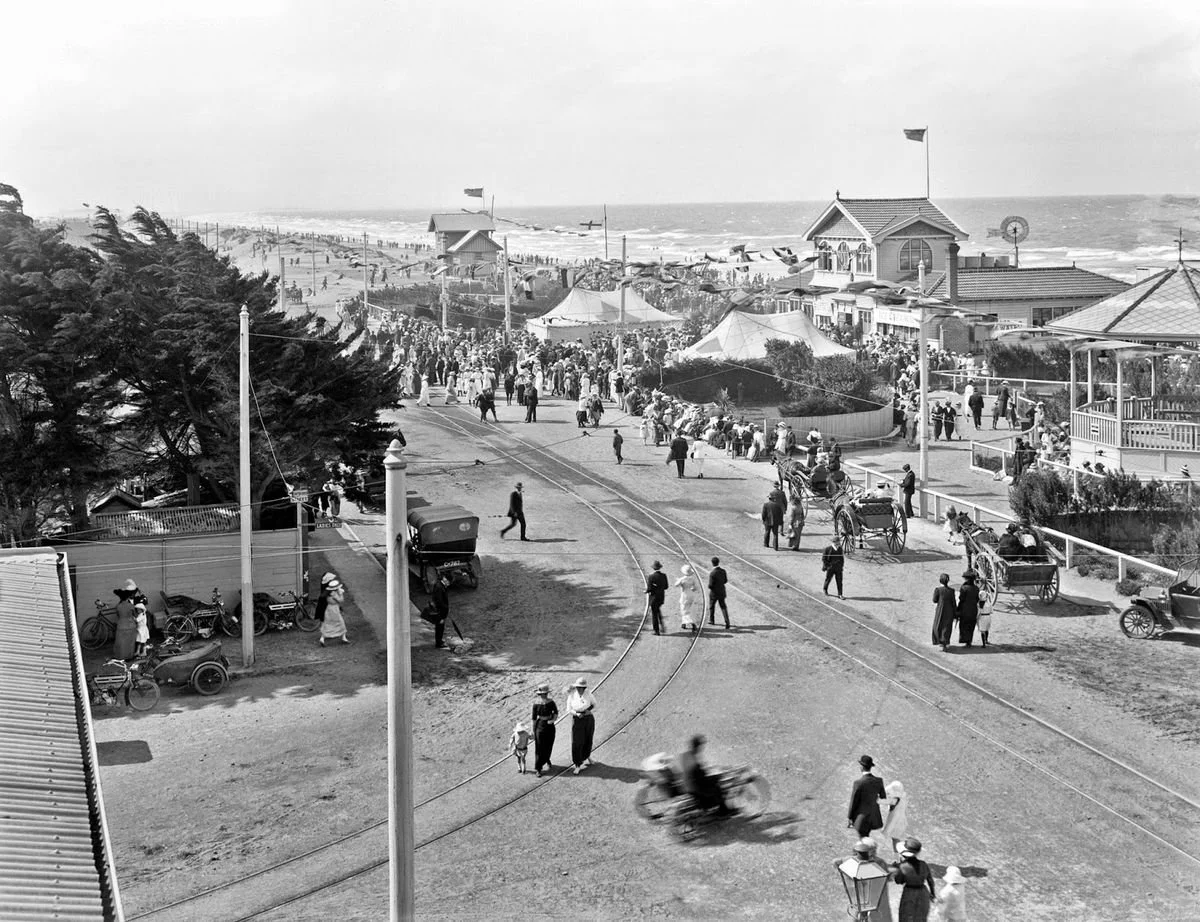
New Brighton Gala, 1915. Webb, Steffano, 1880-1967: Collection of negatives, ref: 1/1-005402-G. Alexander Turnbull Library.
The story of New Brighton Beachfront lies in the relationship between its coast, landscape and built environment, shaped by more than a century of public life.
Historic photographs show people arriving by tram, walking along the promenade, watching the sea from the original pier, attending gala days, commemorating important events at the War Memorial and Amphitheatre, and spending time at the beach.
New Brighton Beachfront was once an important coastal mahinga kai before its evolution into a prominent seaside resort, suburban centre and civic destination. Alongside these tangata whenua values, the pier, Clock Tower, War Memorial, stone seawalls, beachfront enclosures, open spaces, coastal processes, and patterns of public use, all contribute to the significance of the place.
To understand those relationships, we approached the project through a series of landscape lenses. We looked at how coastal processes, recreation, community use, civic investment, movement patterns, landscape design, and heritage values have shaped the beachfront over time.
This broader approach revealed a place that has continually adapted to changing environmental conditions, social expectations and community priorities. The original pier has been replaced, seawalls have been partially removed and modified, memorial plaques have been relocated, and new facilities have been added over time. Despite these changes, many of the features, activities and spatial relationships that give this place meaning have persisted across generations. People continue to gather, commemorate, play, walk along the beachfront, and engage with the coast.
For councils and community groups, this is where a conservation plan can be particularly valuable.
A conservation plan provides a framework for understanding what contributes to a place’s significance, identifying the heritage values that should be retained, and guiding future change. It helps decision-makers navigate maintenance, renewal, accessibility, public use, environmental adaptation, and development with a clear understanding of what matters most.
In dynamic public landscapes such as beachfronts, change is inevitable. A conservation plan helps ensure that future investment and adaptation respond to the heritage values, physical features and patterns of use that communities value and that contribute to a place’s significance.
At New Brighton Beachfront, this meant recognising the beachfront as a connected civic and coastal landscape where the relationship between Brighton Mall, the Clock Tower, beachfront, pier, War Memorial, Amphitheatre, and the ocean contributes to its significance and identity.
Understanding these relationships provides a stronger foundation for future decision-making, helping ensure that any change proposed on the Beachfront respects the heritage values, landscape features, and public spaces that contribute to the beachfront’s significance.
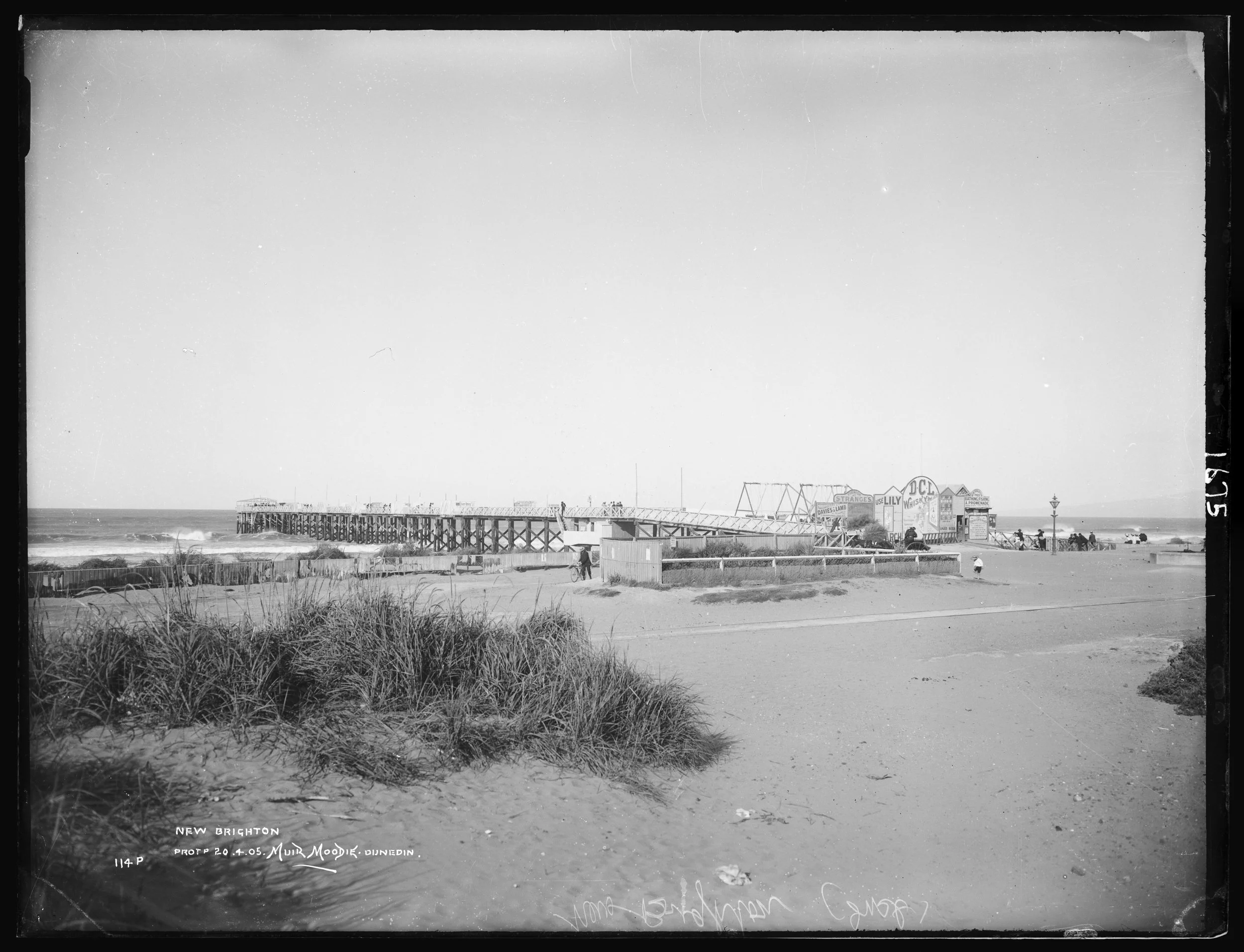
New Brighton Beachfront, circa 1905, Dunedin, by Muir & Moodie. Te Papa (C.011675)
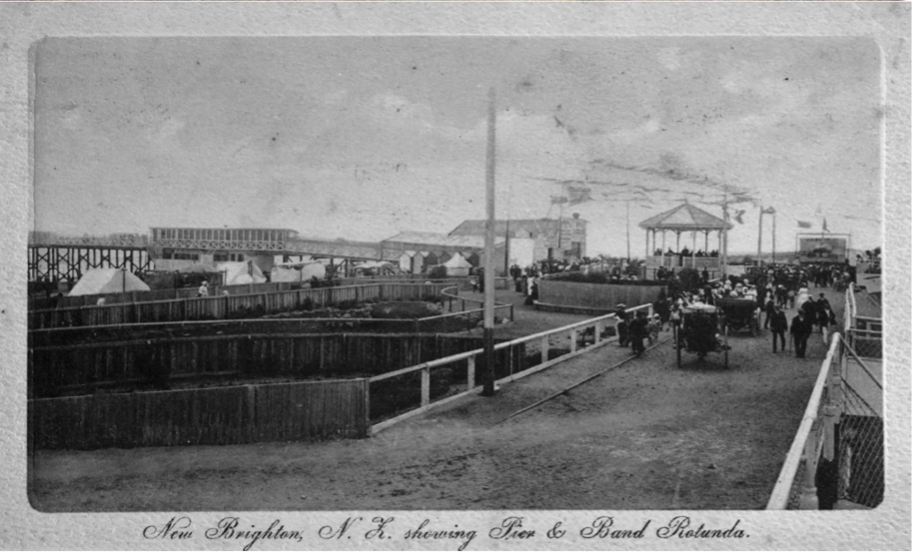
Postcard of Carnival Day in New Brighton c.1910.
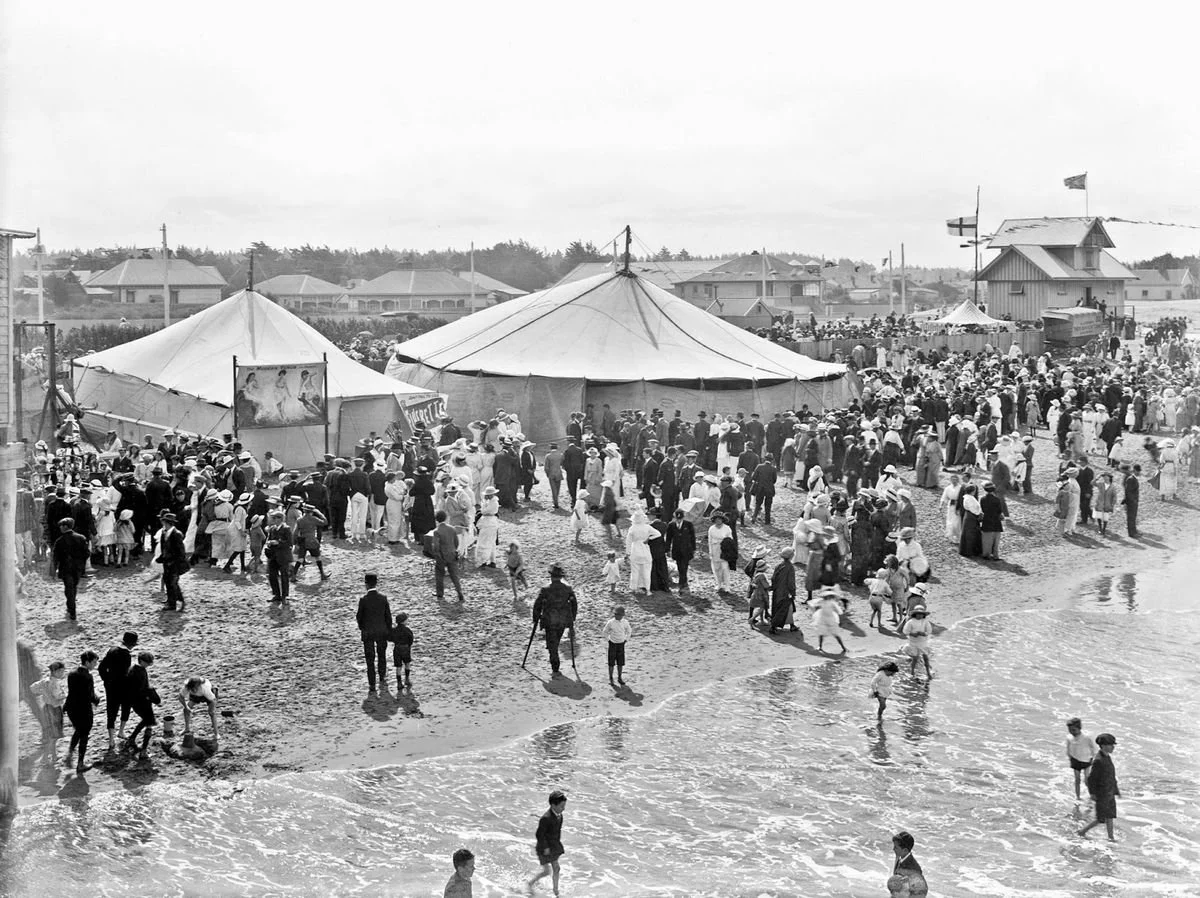
New Brighton Beachfront Gala, undated.
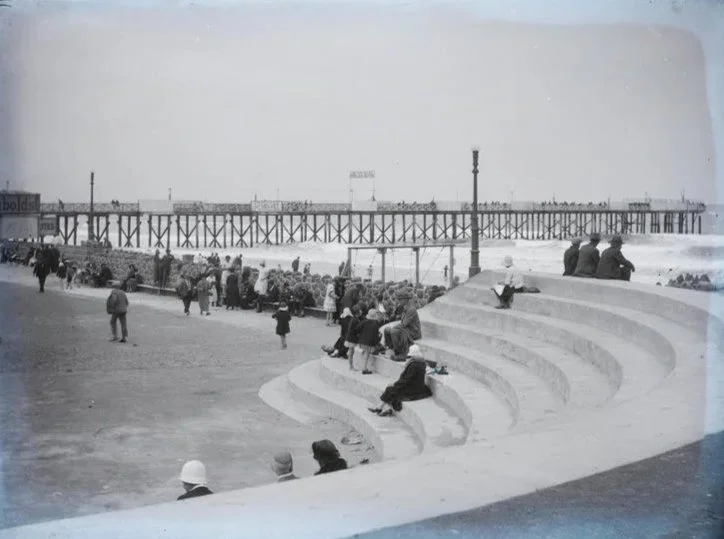
New Brighton pier, seawall and amphitheatre, c.1925. Source: W.A. Taylor, Canterbury Museum W.A. Taylor, c.1925, ref. 1968.213.10.
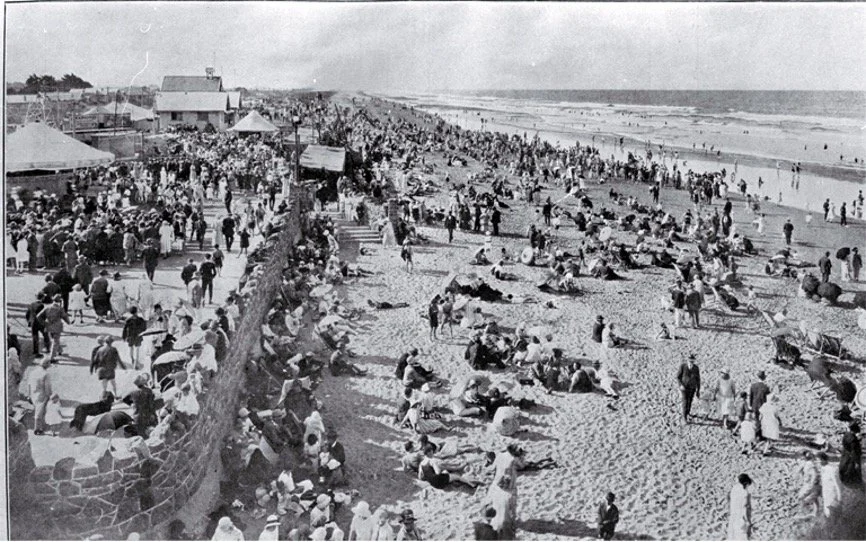
New Brighton beach on Gala Day, 1927. Source: CCL PhotoCD 8, IMG0075.
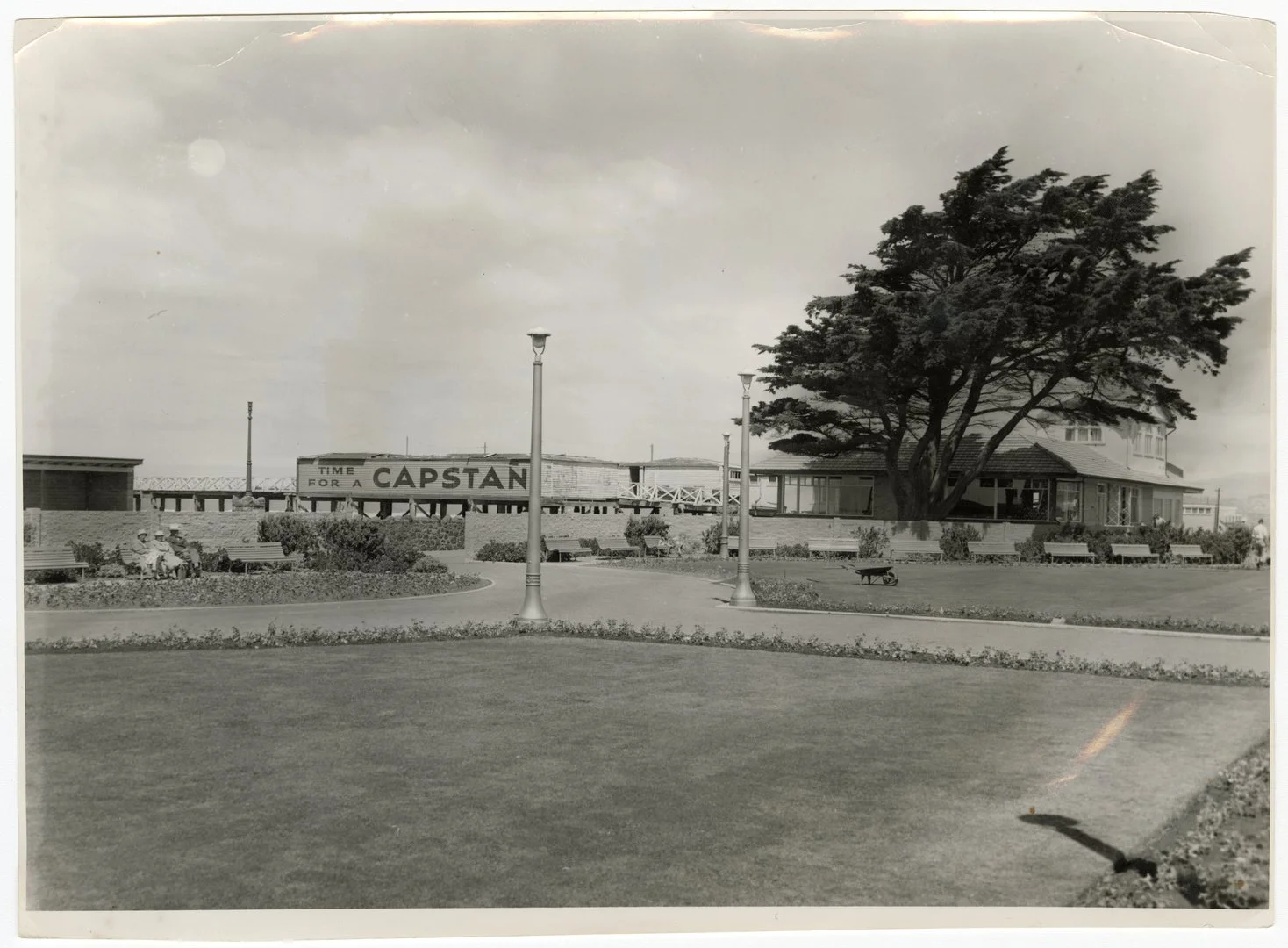
New Brighton Beachfront, early 1960s. Source: Christchurch City Libraries.
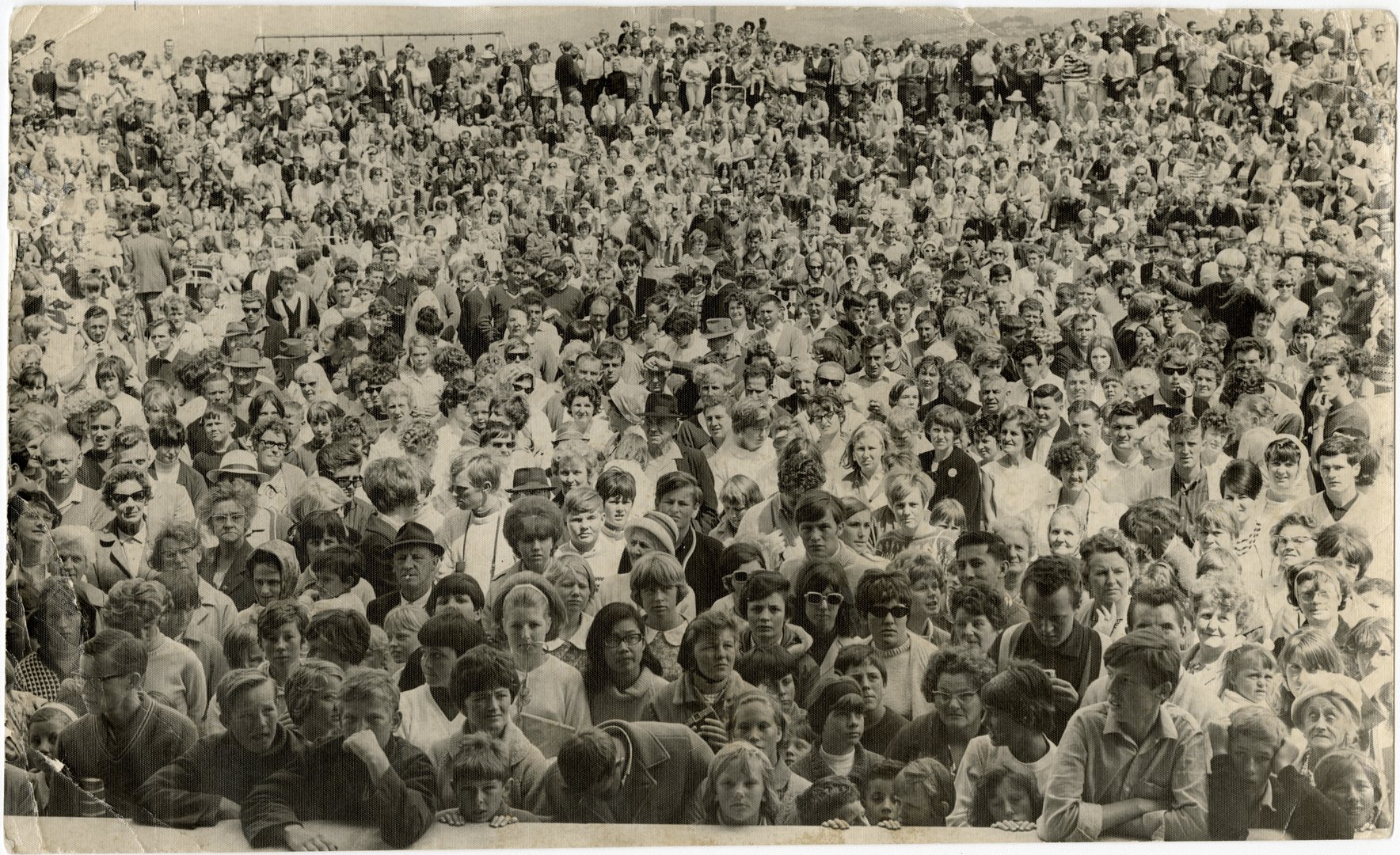
Crowd at the Miss New Brighton 1968 competition during the New Brighton New Year Carnival. Source: Christchurch Stories, ref. CCL-StarP-03755A.
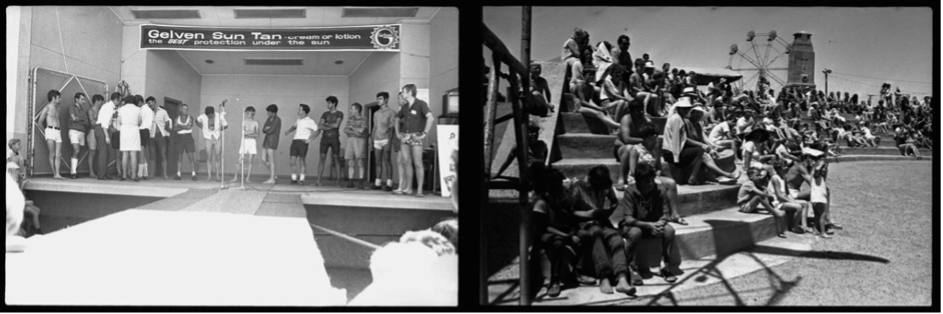
Mr Hairy Legs contest, 1970. The contestants are on the sound shell stage, and a loud crowd is seated in the amphitheatre. Source: Canterbury Stories, ref. CCL-Star-1970-0189-027-032N-01.

New Brighton Beachfront, 1978. Source: V.C. Browne & Son Aerial Photography.
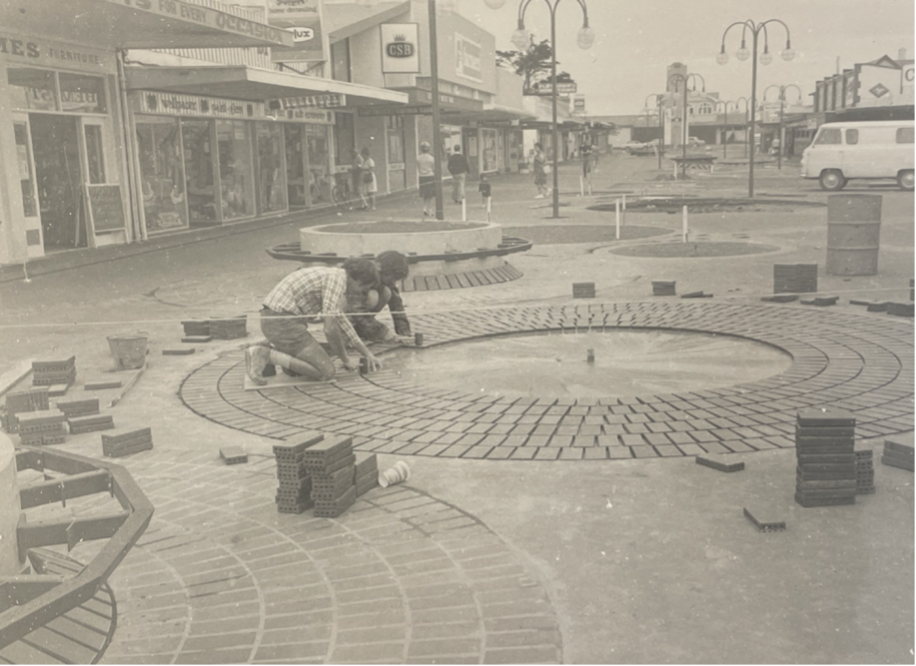
Brighton Mall construction, 1977, Source: Bryan D. George Photography, New Brighton Museum.
Keen to learn more … explore these projects!