
Jack’s Mill Historic School: Learning Through Landscape
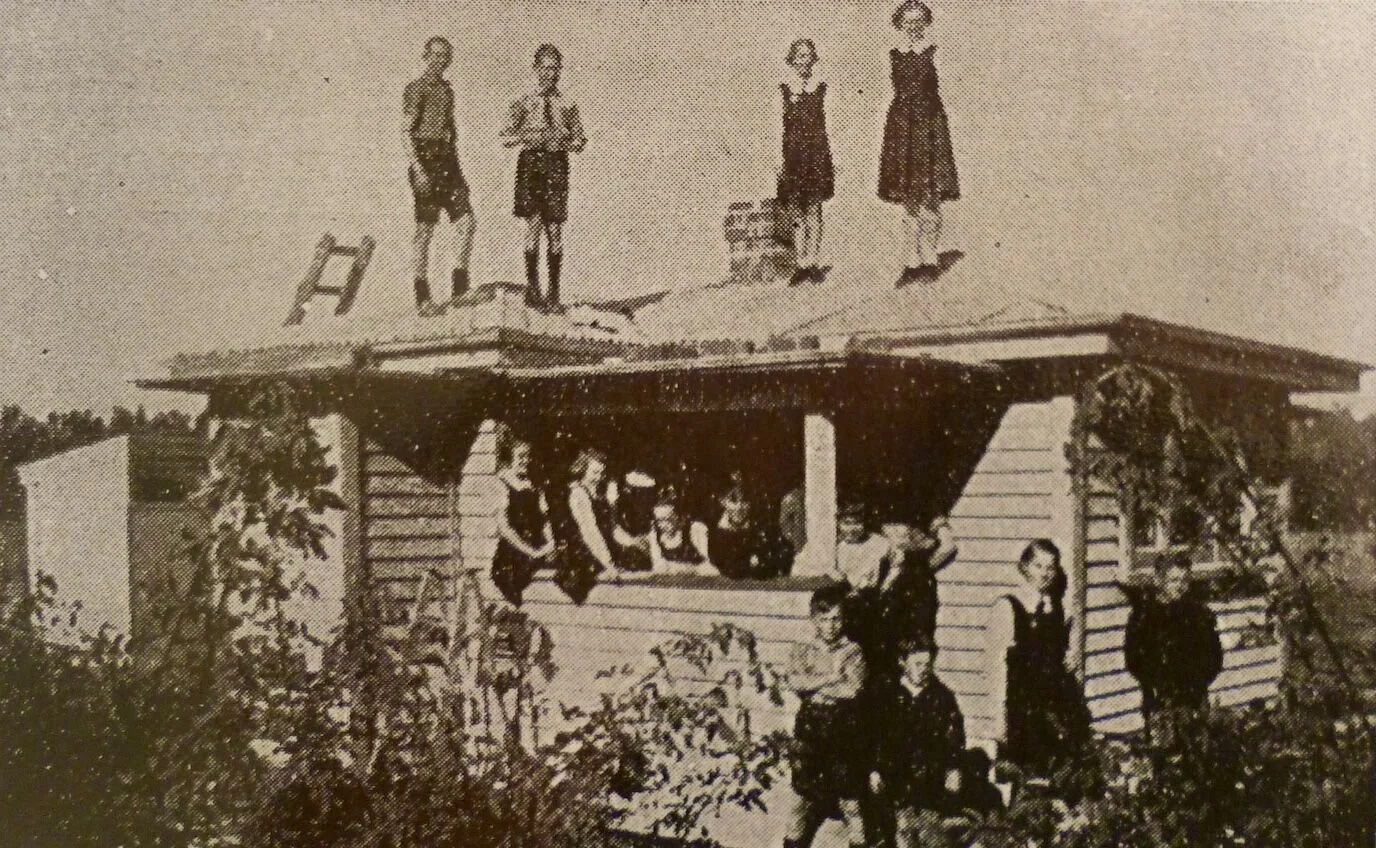
Jack’s Mill School model bungalow and gardens, designed and constructed by students during the 1930s. Source: Evening Star, 1939, 17 May, Issue 23268.
I've known about Jack's Mill School in Kōtuku for quite some time. It's a place I've often stopped while travelling between Christchurch and the West Coast. Until recently, I knew just a little about its history.
Earlier this year (2026) I worked with the Department of Conservation to prepare a Landscape Conservation Plan for the site. I began by documenting the historic school landscape over time, but soon found myself following a trail of photographs, newspaper articles and reports into a largely forgotten chapter of Aotearoa's educational history.
During the 1930s, headmaster Edward Darracott worked alongside children and their local community to transform a small clearing in a West Coast milling settlement into an extraordinary outdoor learning environment. Together they designed and built an award-winning garden, pathways, archways, rockeries, a plant nursery and a fully furnished three-quarter size bungalow.
This project formed part of a wider movement in New Zealand education that encouraged experiential, child-centred learning. Although Jack's Mill was a one-teacher school in a remote settlement, its approach attracted national attention.
By 1941, more than 4,000 visitors had toured the grounds, and in 1942 Prime Minister Peter Fraser requested a report from Darracott describing his teaching methods and experiences at the school.
Since then, many of the features recorded in historic photographs have disappeared. The pergolas are gone and much of the planting has changed. Some of the mature trees that now dominate the site were planted years after Darracott left, while others have reached a size that now presents management challenges.
However walking around the grounds today, the model bungalow is still there and the original layout is still easy to read. The relationship between buildings, paths, lawns and open space continues to reveal how the school functioned and why the landscape was such an important part of learning.
For councils, project managers and community organisations, this is where a Landscape Conservation Plan becomes particularly useful.
Rather than focusing on individual features in isolation, a Landscape Conservation Plan helps identify the relationships that contribute to a place's significance and provides a framework for managing change.
At Jack's Mill School, that meant recognising the site as more than a collection of historic buildings and features. The significance of this place also lies in the way the landscape supported education, brought the local community together and created a place that attracted thousands of visitors.
Understanding these relationships provides a stronger foundation for future management, helping ensure that when change occurs we can respect and care for the qualities that make this place unlike almost any other school in New Zealand.
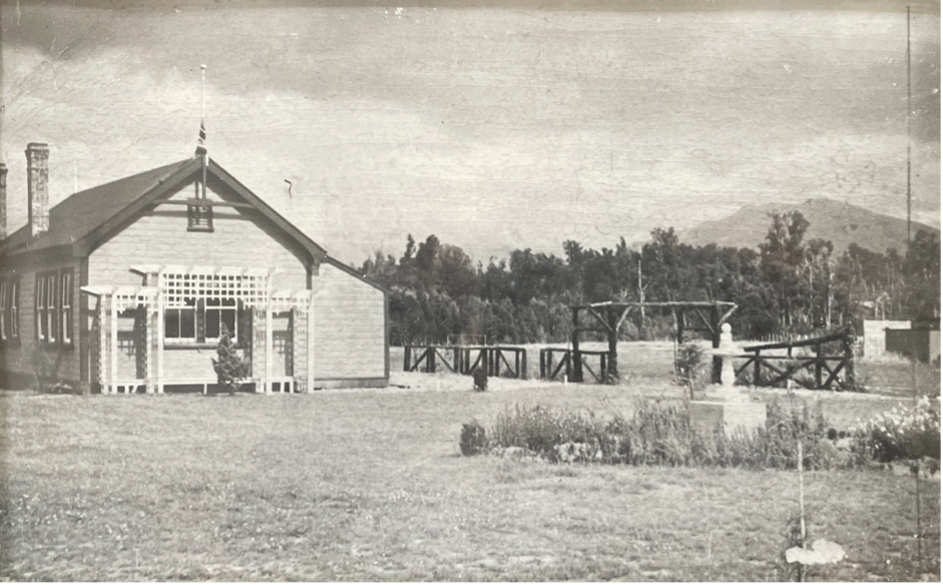
Peter Pan Statue and the beginnings of the Jack’s Mill School landscape, c.1935. Source: Kōtuku Heritage Society.
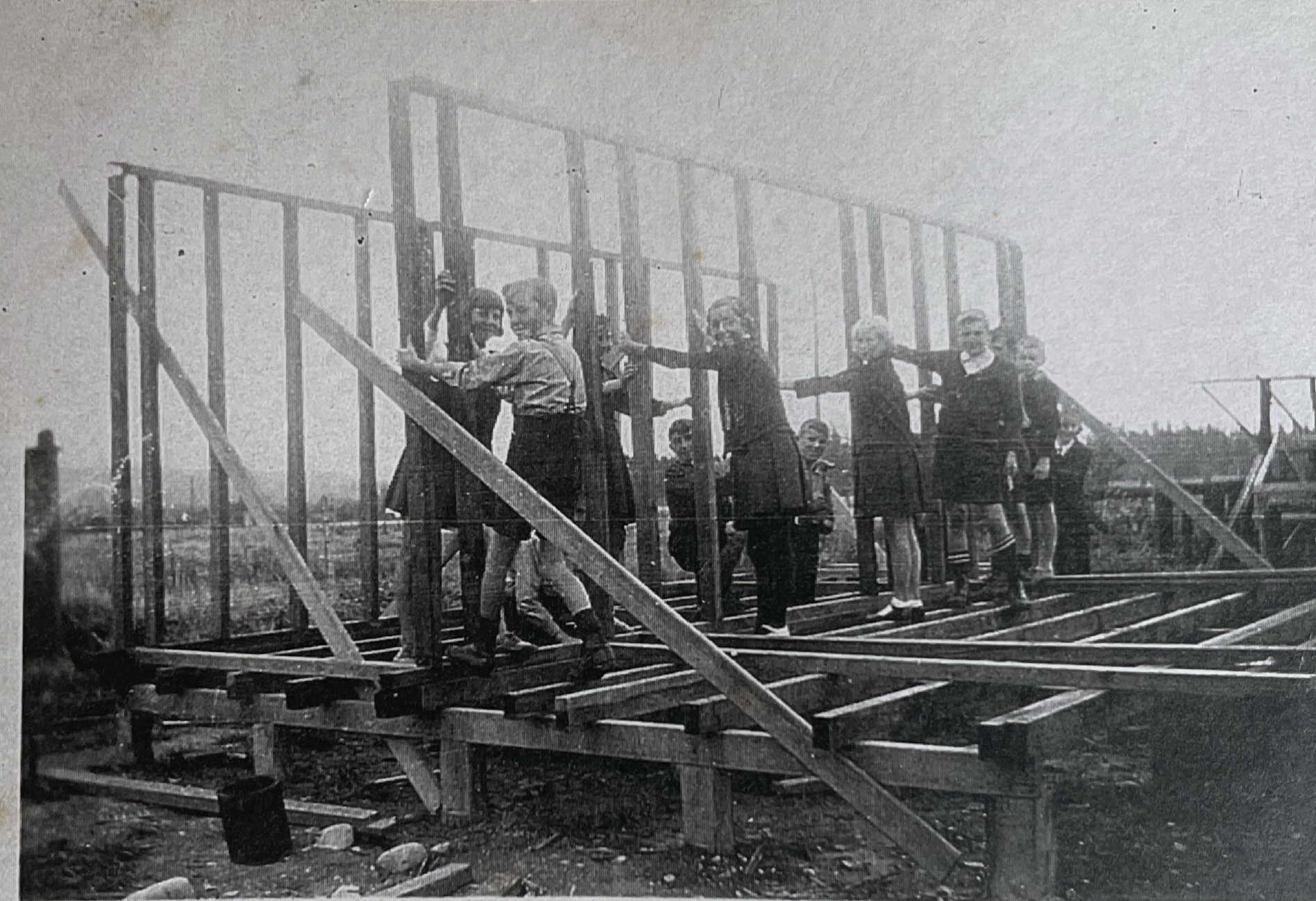
Jack’s Mill School students, constructing the model bungalow, c.1937. Source; Kōtuku Heritage Society.
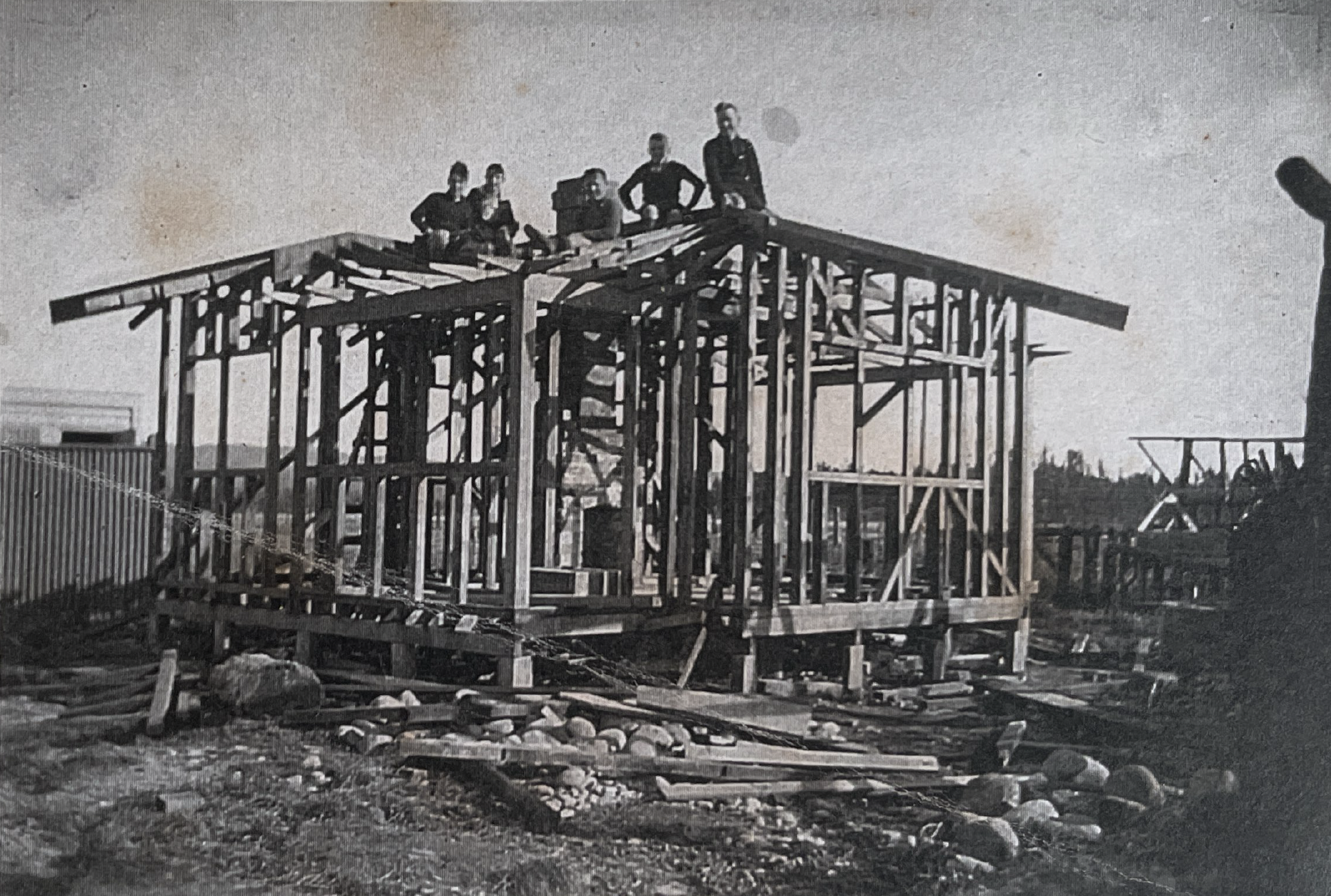
Construction of the model bungalow by Jack’s Mill students, c.1937, Jack’s Mill School Kōtuku. Source: Kōtuku Heritage Society
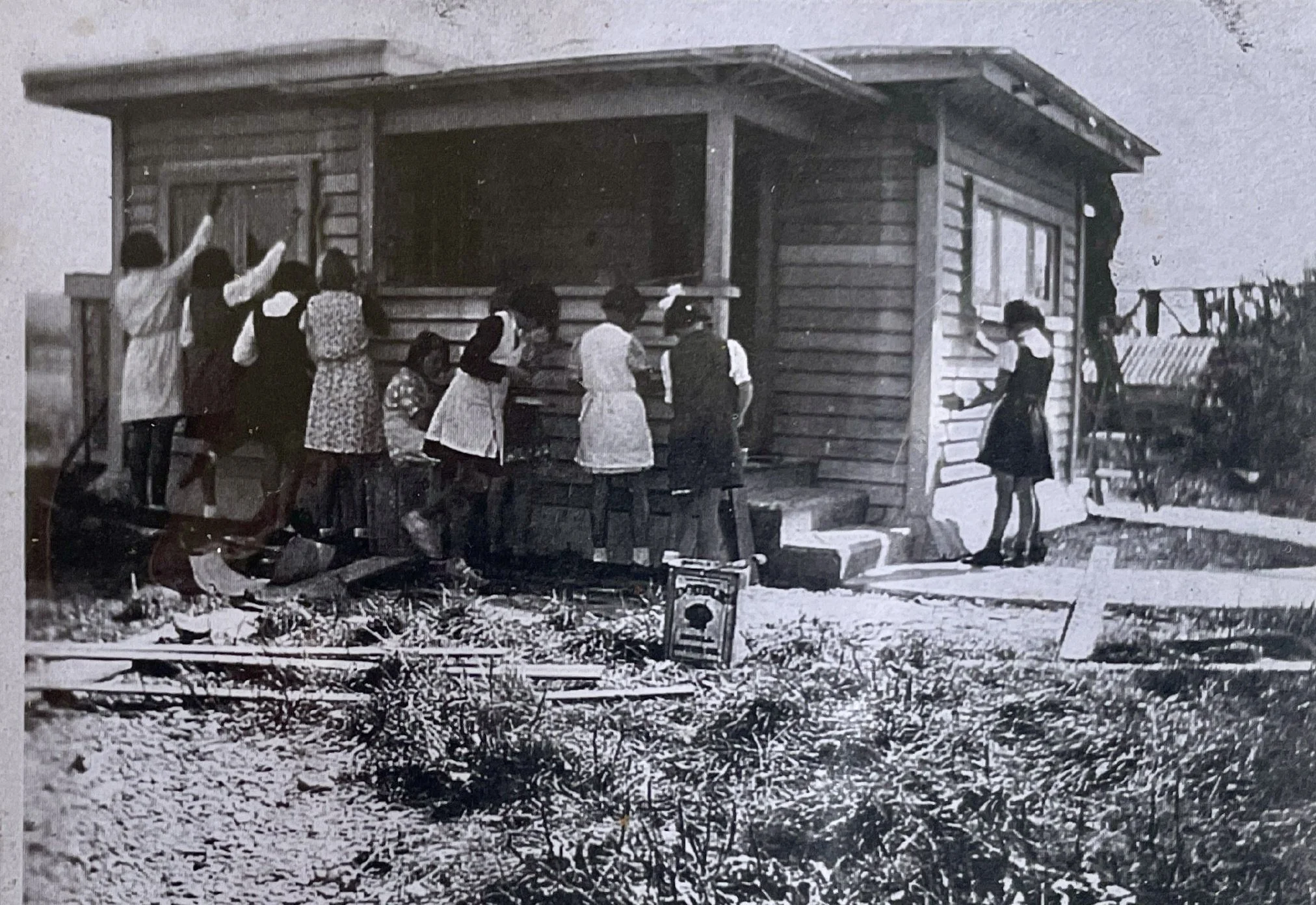
Jack’s Mill School students painting the model bungalow, c.1938. Source: Kōtuku Heritage Society.
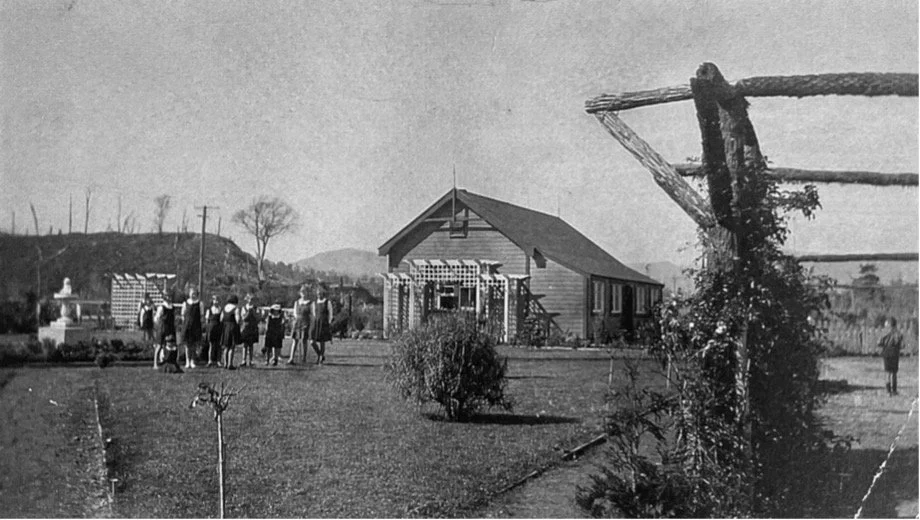
Jack’s Mill School landscape, c.1936.
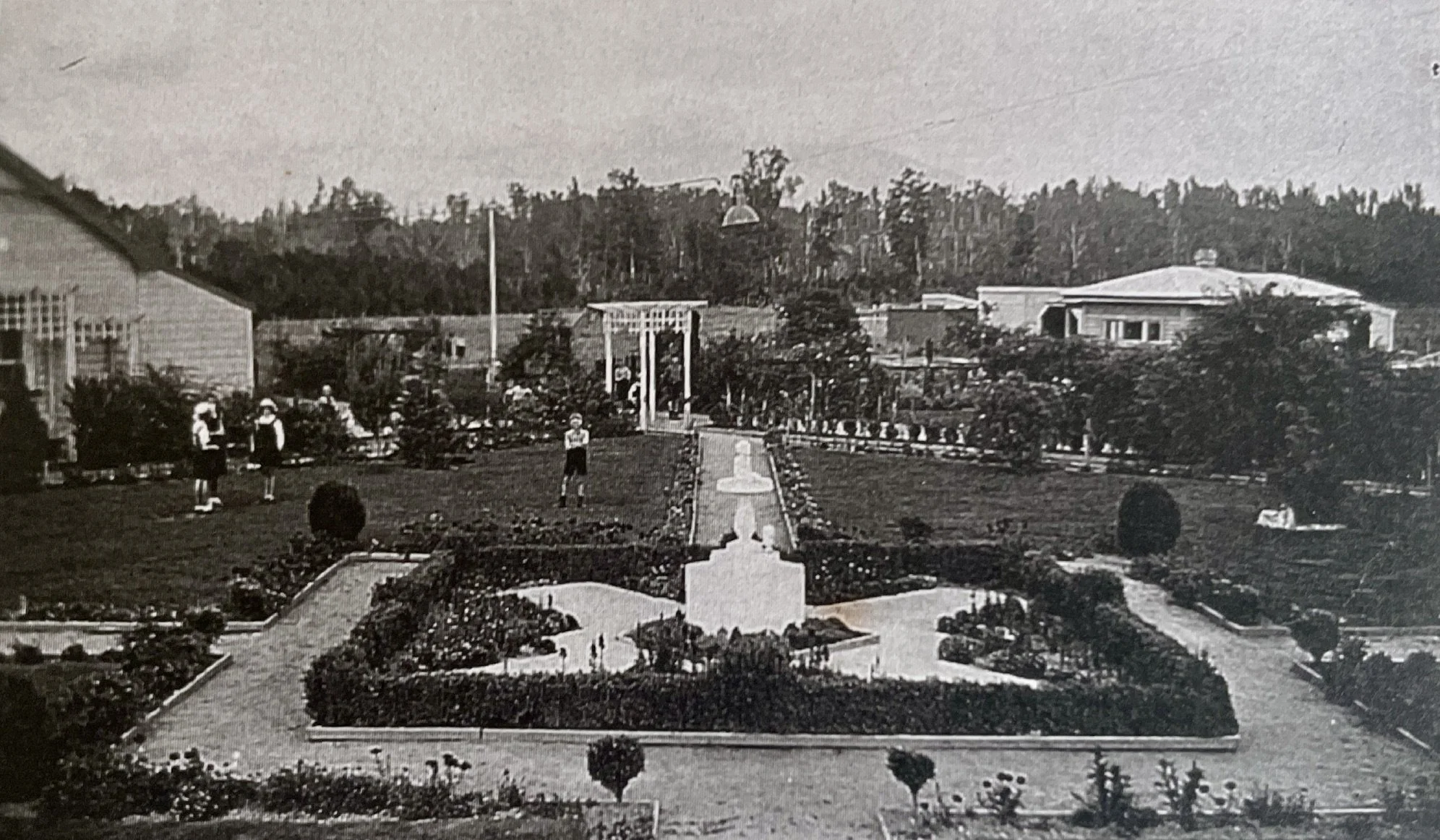
Jack’s Mill School landscape, designed and constructed by students, c.1939.
Jack’s Mill School students around (and on top of) the model bungalow, designed and built by them. Source: Evening Star, 1939, 17 May, Issue 23268.
Keen to learn more … explore these projects!